
Wall Insulation (Drill & Fill, Netting & Filling)
Millions of older Chicago homes were built with empty wall cavities — and the cold air moving through them is one of the most consistent drivers of high heating bills that most homeowners never trace back to the walls.
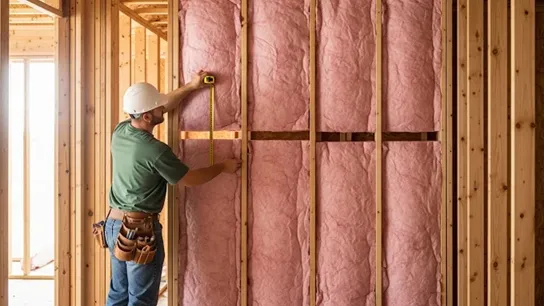
Wall insulation is one of the most overlooked opportunities for thermal improvement in Chicago-area homes — and one of the most impactful when it is addressed correctly. Homes built before the 1980s across Des Plaines, Schaumburg, Evanston, and throughout the Chicago metro were frequently constructed with little to no insulation inside the exterior wall cavities. The walls look finished and intact from inside and out, but the cavity between them is empty or nearly so — and that space becomes a direct pathway for cold air to move through the wall assembly and into the living space during every Chicago winter. The energy loss is consistent, year-round, and shows up in every heating bill without a clear explanation.
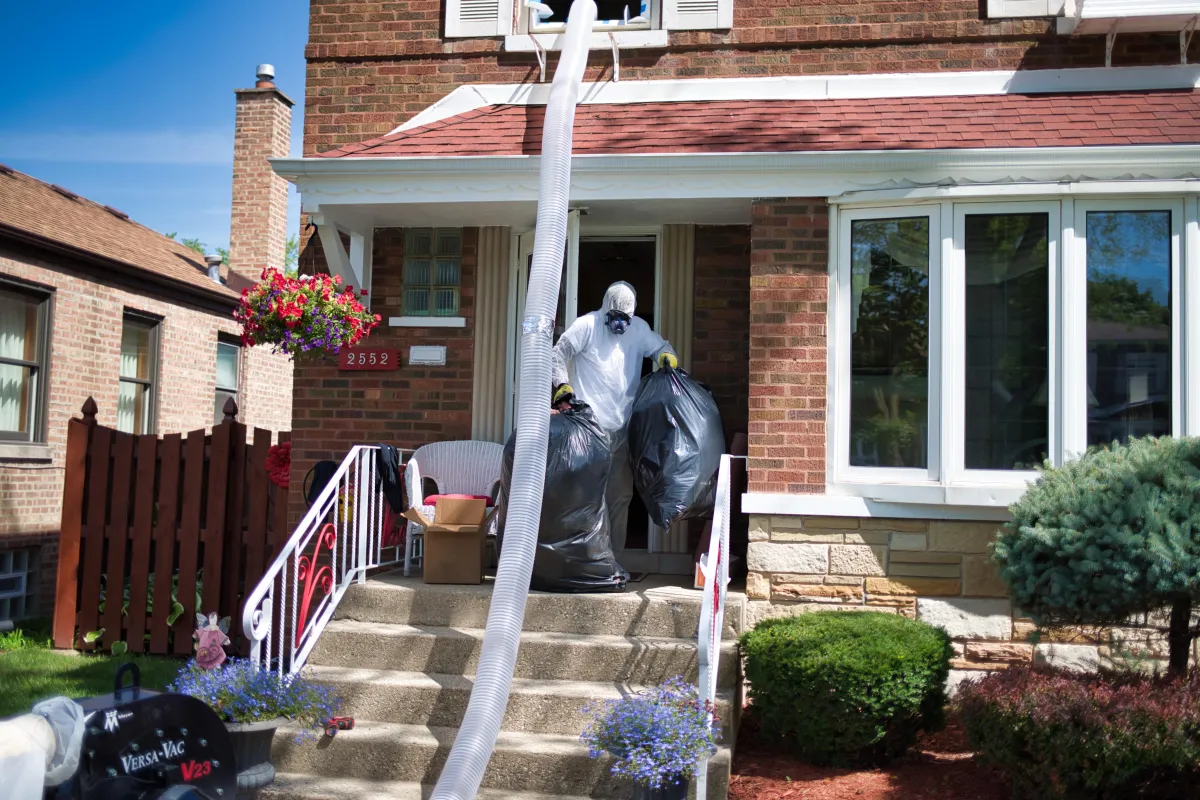
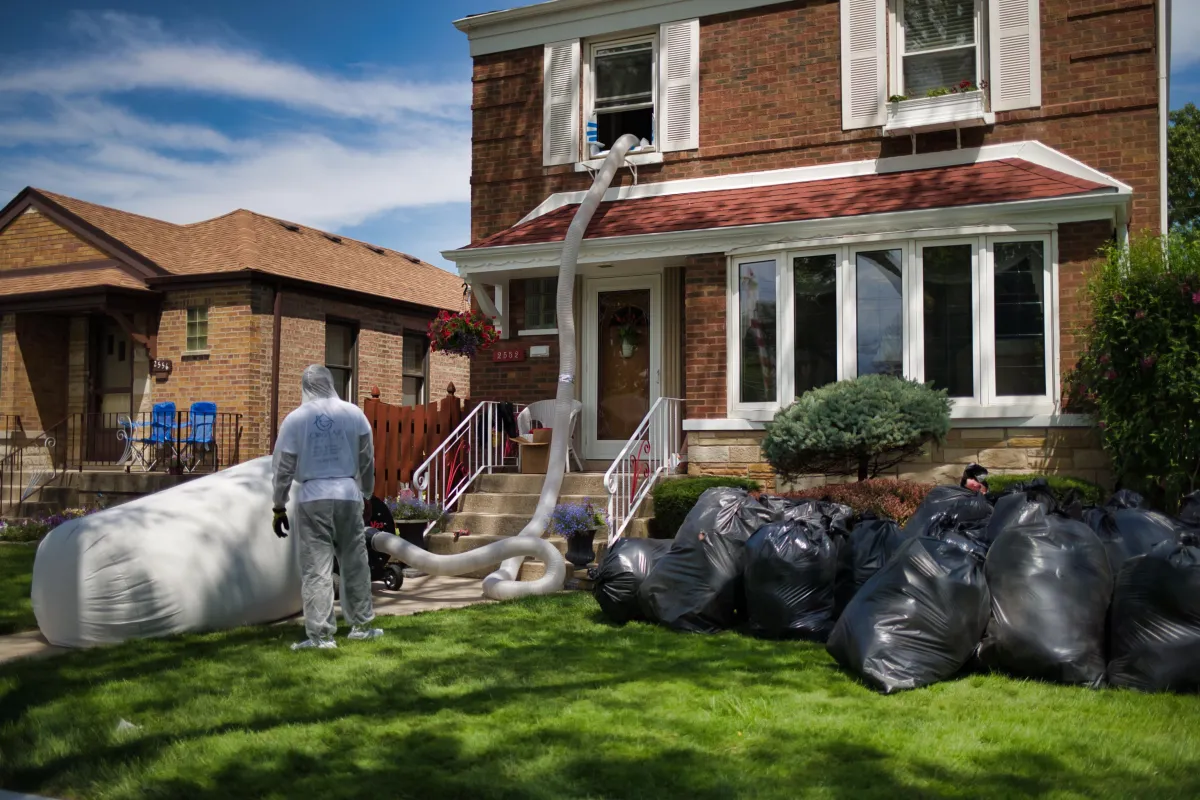
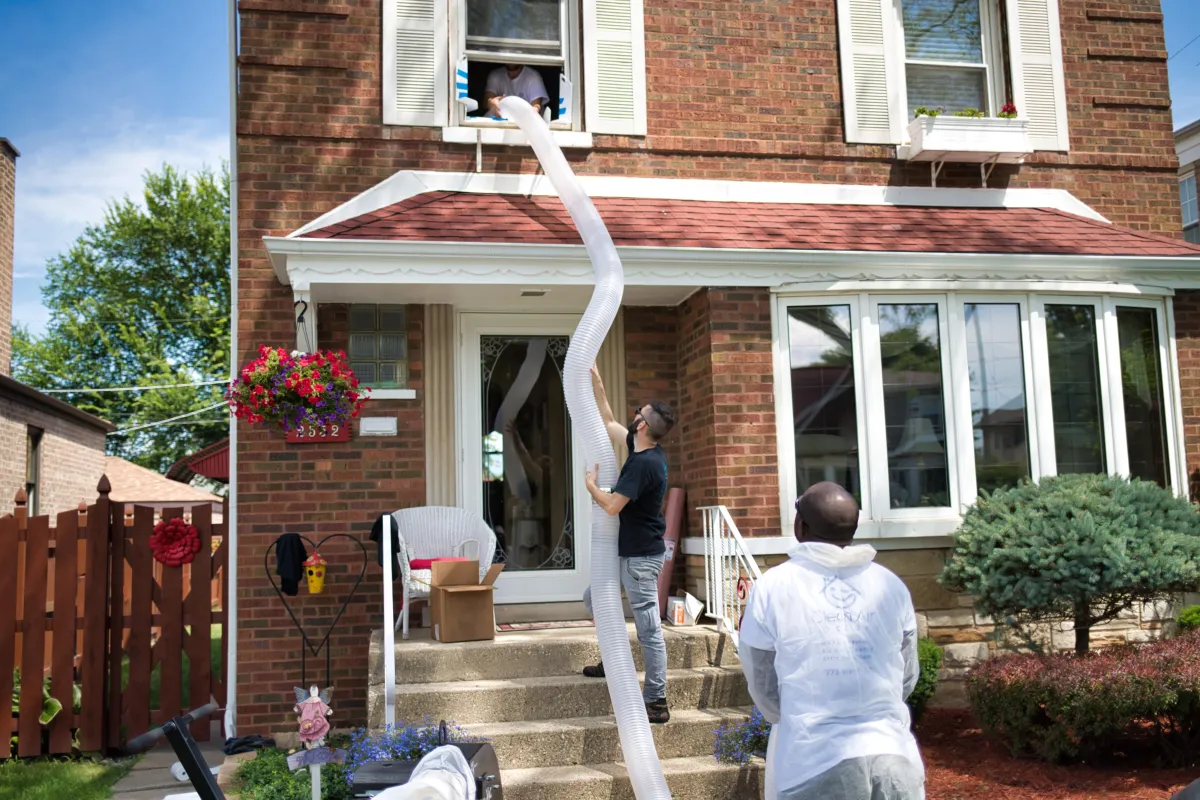
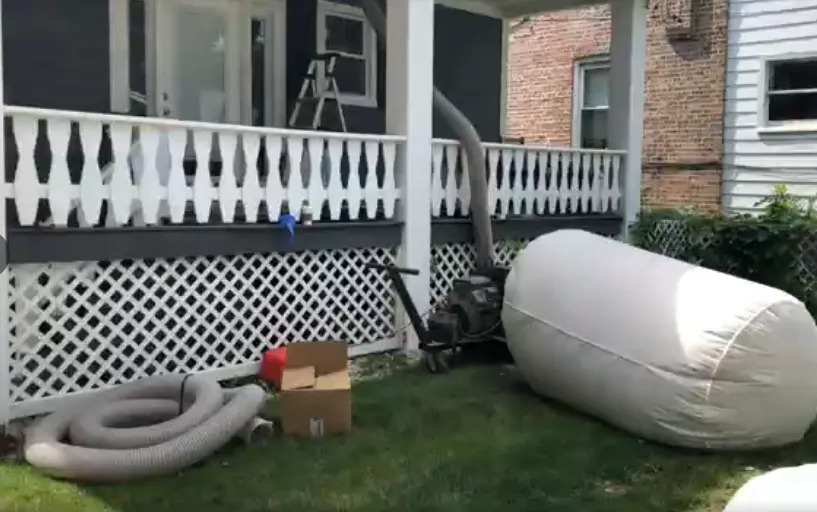
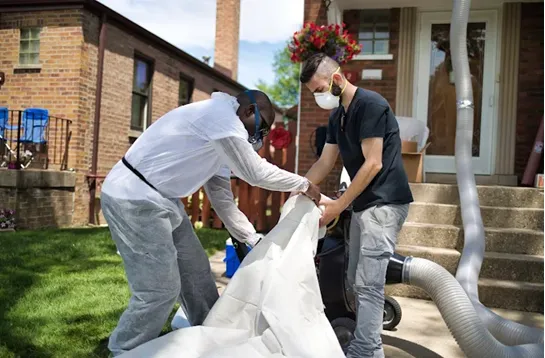
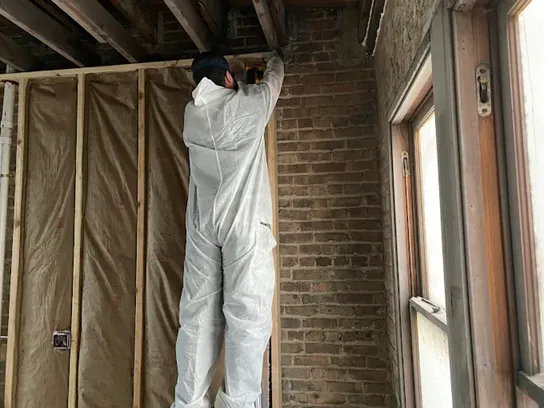
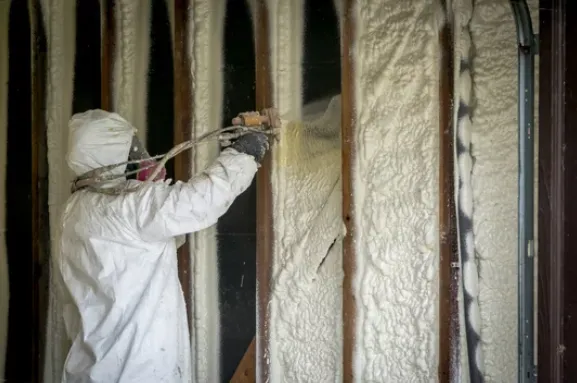
Two methods address wall insulation without requiring the removal of existing drywall in most cases. The drill and fill method involves drilling small access holes — typically one to two inches in diameter — directly into the wall surface from either the interior or exterior, injecting insulation material into the cavity under controlled pressure, and patching the holes cleanly afterward. The netting and filling method is used when the wall cavity needs a backing material to hold the blown-in insulation in place — a mesh netting is installed through the access holes first, and the insulation is then blown in behind it. Both methods fill the wall cavity effectively and leave the finished surface looking clean with minimal visible evidence of the work.
The improvement in thermal performance after wall insulation is installed is typically noticeable quickly — drafts disappear, rooms hold temperature more consistently, and the heating system does not have to work as hard to maintain comfort through the coldest months. For older homes across Chicago, Naperville, Wheaton, Elmhurst, and the surrounding suburbs, wall insulation is often the single most impactful thermal upgrade available after the attic has already been addressed. Contact OTS Chicago Insulation for a free assessment and find out which method is right for your home's wall construction and insulation needs.
What We Offer:
Wall Insulation Assessment — We assess your exterior wall cavities before recommending any method or material. This includes identifying wall construction type, existing insulation condition, cavity depth, and any obstructions that affect which approach will work best for your specific home.
Drill & Fill Wall Insulation — Small access holes are drilled into the wall surface from the interior or exterior, insulation is injected into the cavity under controlled pressure to achieve full coverage, and the holes are patched and finished cleanly. This method works well in most standard wall cavity configurations and leaves minimal visible evidence of the work.
Netting & Filling Wall Insulation — A mesh netting backing is installed through access holes in the wall surface to create a containment layer, and blown-in insulation is then packed densely behind it. This method is used when the wall cavity construction requires a backing to hold the material in place and achieve consistent density throughout the cavity.
Exterior Wall Access — In some cases, access from the exterior is the more practical approach — particularly when interior wall surfaces are finished with materials that are difficult to patch. We assess both options and recommend the access point that produces the cleanest result for your specific wall construction.
Interior Wall Access — Interior access is standard for most drill and fill applications and allows the work to be completed with minimal disruption to the exterior appearance of the home. Holes are patched to match the existing wall texture and finished so the repair is not visible after the work is complete.
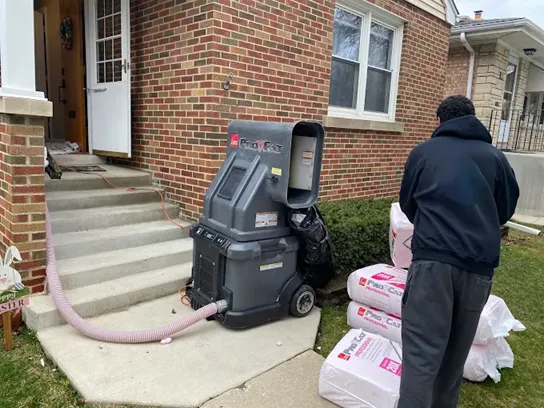
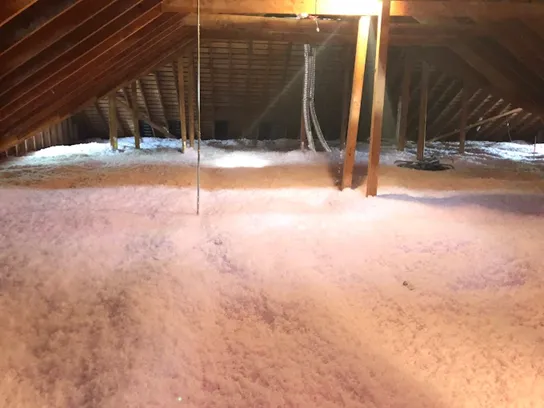
Cellulose Wall Insulation — Cellulose is the preferred blown-in material for wall cavity applications because of its density and resistance to air movement through the installed material. We use cellulose in most wall insulation projects because it packs tightly enough to reduce air infiltration alongside its thermal performance.
Patch & Finish After Installation — Every access hole drilled during wall insulation work is patched and finished as part of the job. We match the existing wall texture and leave the surface clean so the finished result requires no additional work from the homeowner or a separate contractor.
Why Choose OTS Chicago Insulation for Wall Insulation (Drill & Fill, Netting & Filling)
Method Selected for Your Wall Construction — Drill and fill and netting and filling are not interchangeable — the right method depends on the wall cavity configuration, the material being used, and what the space requires to achieve full, consistent coverage. We assess the walls before recommending either approach.
No Drywall Removal in Most Cases — Wall insulation in most Chicago-area homes can be installed through small access holes without removing drywall. We use the least disruptive access method that still produces complete cavity coverage, and we restore the wall surface cleanly before the job is finished.
Cellulose Density for Air Resistance — Cellulose blown into a wall cavity at the correct density resists air movement through the installed material — something that loosely installed fiberglass does not do effectively. We install cellulose to the density that delivers both thermal performance and air infiltration resistance in the wall assembly.
Chicago Construction Type Experience — Older homes across Des Plaines, Evanston, Schaumburg, Wheaton, and throughout the Chicago metro were built in a range of wall construction types — balloon frame, platform frame, masonry with furring, and others. Each presents different access and installation challenges that we have worked through enough times to handle efficiently and correctly.
Clean Work, Fully Restored — Wall insulation work leaves access holes in the wall surface that need to be patched and finished properly. We do that work as part of every job — the surface is restored to match the existing finish and the space is left clean when we are done.
DISCOVER WHAT OUR CUSTOMERS HAVE TO SAY ABOUT US
REVIEWS
Review us on Google
⭐⭐⭐⭐⭐
High energy bills? Drafty rooms? Cold floors that never warm up?
Get a Free Estimate and Find Out Exactly What Your Home Needs to Perform Better This Winter



Insulate Better. Live Smarter. Save More.
Contact Us
Social

Quick Links
Services
Locations
