
Blown-In Insulation (Fiberglass & Cellulose)
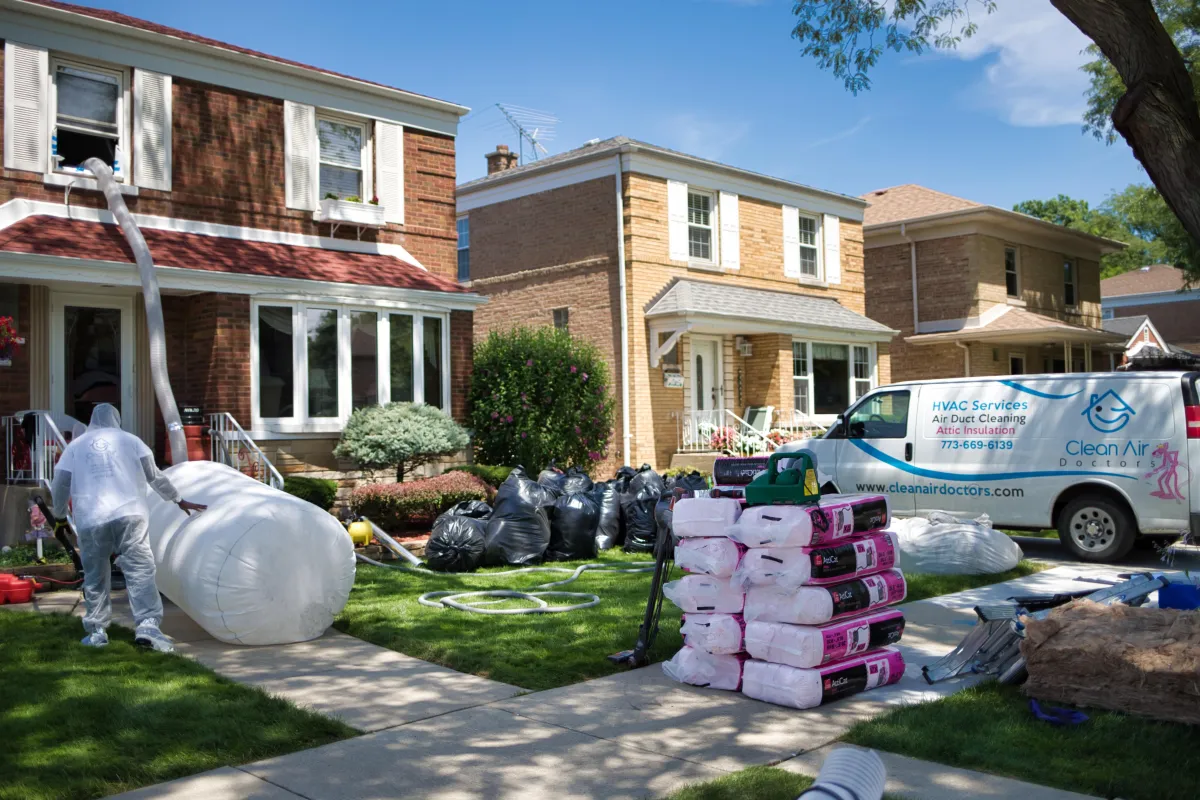
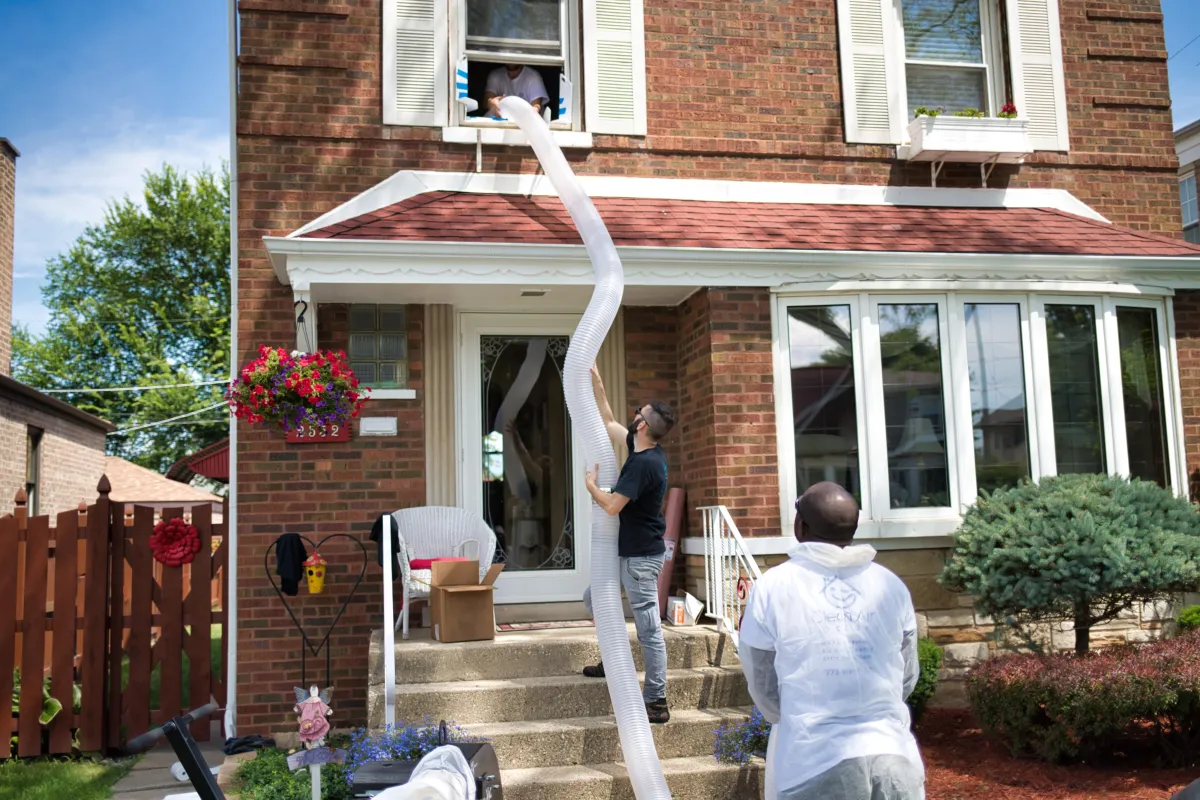
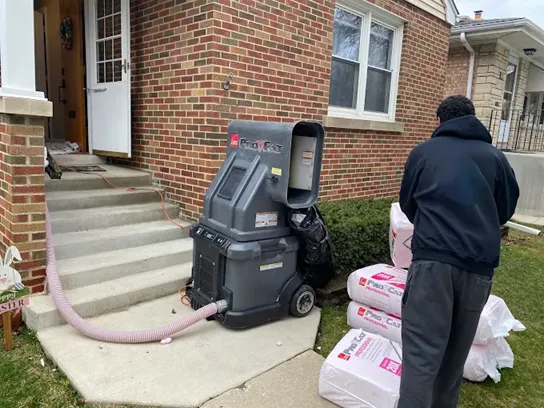
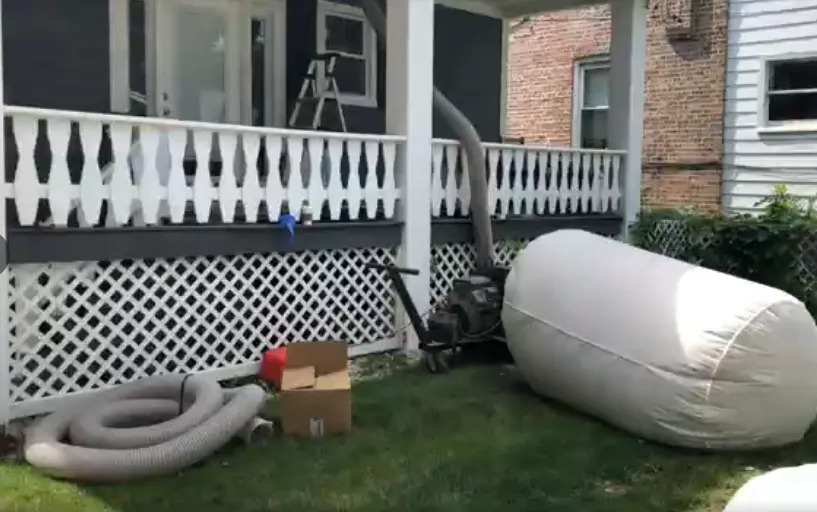
Blown-in insulation reaches the corners, gaps, and irregular spaces that cut panels never will — and consistent coverage is exactly what determines how well your home holds temperature.
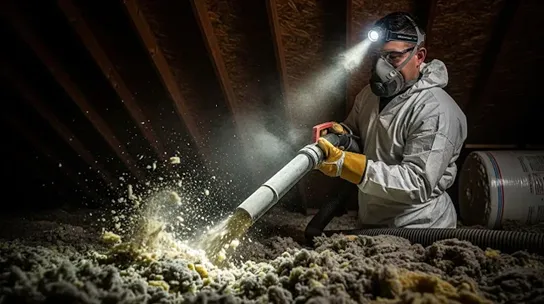
Coverage gaps are the most common reason insulation underperforms. A home can have insulation in the attic and still lose significant heat if that insulation has settled, compressed, or was never installed to reach the edges, corners, and irregular spaces where heat loss actually occurs. Blown-in insulation addresses this problem directly — the loose-fill material is blown into the space under controlled pressure and settles into every contour of the area being insulated, filling the gaps and hard-to-reach spots that pre-cut batt panels leave behind. For attics in particular, it is one of the most reliable methods available for achieving the consistent R-value coverage that Chicago winters demand.
The choice between fiberglass and cellulose blown-in insulation depends on the specific application, the existing conditions in the space, and the performance goals for the project. Fiberglass blown-in is lightweight, does not settle as much over time, and works well in attics and open cavities where moisture exposure is limited. Cellulose is denser, packs more tightly into wall cavities and irregular spaces, and performs well in areas where air infiltration is also a concern because the density of the material resists air movement more effectively than loose fiberglass. We assess the space and the performance goals before recommending which product will deliver the best result for your specific application.
Blown-in insulation is particularly well suited to older homes across Des Plaines, Schaumburg, Evanston, Palatine, and the wider Chicago metro where original insulation has compacted significantly over decades of use. In many of these homes, adding blown-in insulation on top of what is already there — or replacing it entirely after removal — produces a measurable and immediate improvement in how the home holds temperature. Contact OTS Chicago Insulation for a free assessment and find out whether blown-in fiberglass or cellulose is the right choice for your attic, walls, or other insulation areas.
What We Offer:
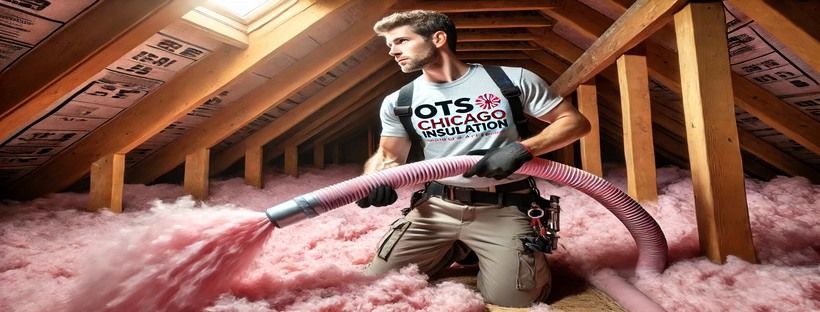
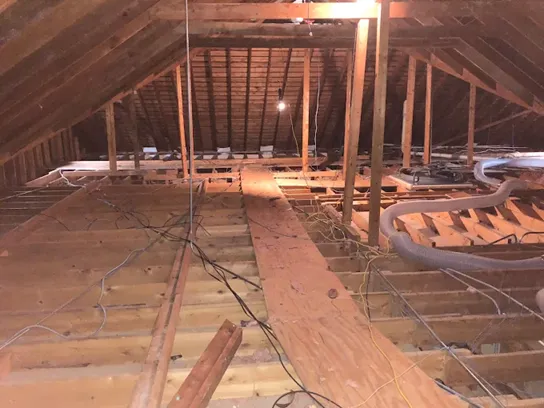
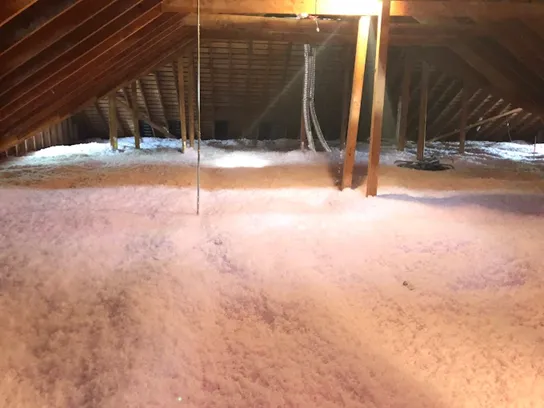
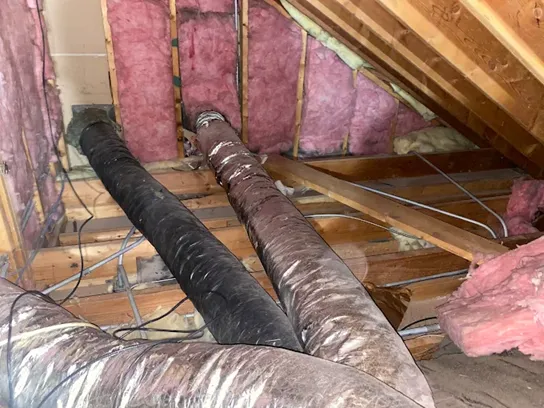
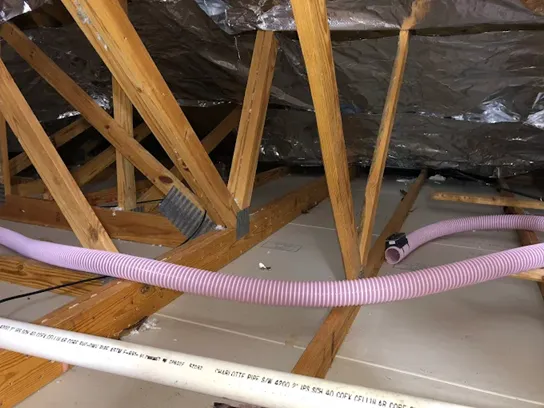
Blown-In Attic Insulation — The attic is the most common application for blown-in insulation and the area where it delivers the most consistent performance improvement. We clear the attic floor of obstructions, air seal penetrations before the material goes in, and blow insulation to the correct depth and R-value for Illinois climate requirements.
Fiberglass Blown-In Insulation — Lightweight and resistant to moisture absorption, blown-in fiberglass is well suited for attics and open cavities where even coverage and long-term R-value stability are the primary goals. It does not settle significantly over time and maintains its rated performance without requiring periodic top-ups in most applications.
Cellulose Blown-In Insulation — Made from recycled paper product treated for fire resistance, cellulose packs more densely than fiberglass and performs well in wall cavities and spaces where both thermal performance and air infiltration resistance are needed. It is a strong choice for older Chicago-area homes where air movement through the building envelope is a contributing factor to energy loss.
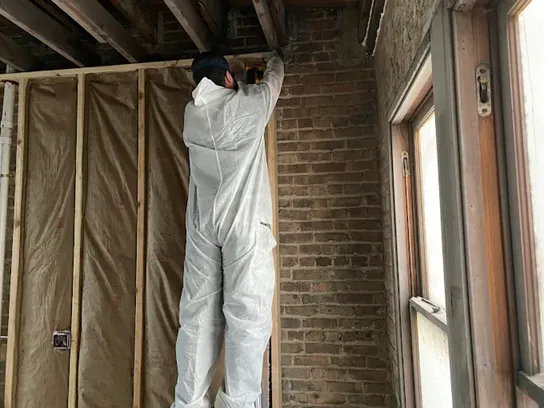
Blown-In Wall Insulation — Blown-in insulation can be installed into existing wall cavities through small access holes drilled from the interior or exterior — a method that improves wall thermal performance significantly without requiring full drywall removal. We use cellulose for most wall applications because of its density and air resistance properties.
Attic Insulation Top-Up — Homes where existing attic insulation is present but below the recommended R-value benefit from a top-up of blown-in material rather than full removal and replacement. We assess the current level and condition, confirm the existing material is sound, and add blown-in insulation to bring the attic to the correct performance standard.
Full Attic Insulation Replacement — Where existing attic insulation is damaged, contaminated, or too severely compacted to provide adequate R-value, full removal and replacement with blown-in material produces better results than adding new insulation on top of compromised old material. We remove the old material completely before the new installation begins.
Air Sealing Before Blown-In Application — Air sealing the attic floor before blown-in insulation is installed is a standard part of every attic job we complete. Blown-in insulation that sits over unsealed penetrations allows warm air to bypass it — sealing first is what makes the insulation perform at its rated value.
Why Choose OTS Chicago Insulation for Blown-In Insulation (Fiberglass & Cellulose)
Material Selected for the Application — Fiberglass and cellulose perform differently depending on where they are installed and what conditions they face. We assess the space and the performance goals before recommending either product so the recommendation is based on what will actually deliver the best result in your specific home.
Air Sealing Integrated Into Every Job — Blown-in insulation installed over unsealed gaps never performs at its rated value. We air seal attic penetrations and wall cavities before the material goes in as a standard part of every blown-in job — not an optional add-on.
Correct Depth and Coverage Every Time — Blown-in insulation performance is determined by how evenly and deeply it is applied. We install to the correct depth for the target R-value and confirm coverage across the full area before the job is considered complete — no thin spots, no missed corners.
Experience With Older Chicago-Area Homes — Many homes across Des Plaines, Schaumburg, Evanston, and Palatine have original insulation that has compacted to a fraction of its original R-value over decades. We have assessed and upgraded enough of these homes to know what to look for and how to address what we find efficiently and correctly.
One Team From Assessment to Completion — The crew that assesses your attic or walls installs the blown-in insulation. There are no subcontractors involved and no handoff between the assessment and the installation. What was identified during the assessment is what gets addressed — nothing more, nothing less.
DISCOVER WHAT OUR CUSTOMERS HAVE TO SAY ABOUT US
REVIEWS
Review us on Google
⭐⭐⭐⭐⭐
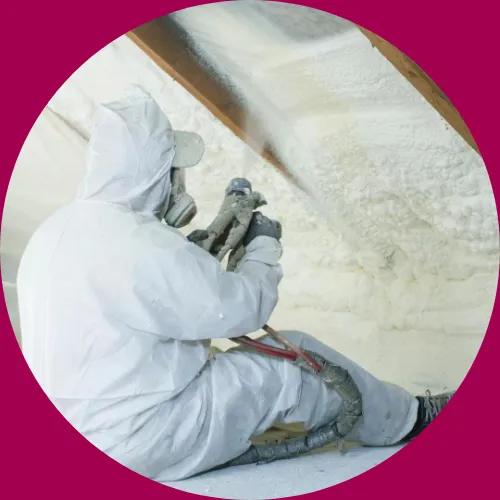
High energy bills? Drafty rooms? Cold floors that never warm up?
Get a Free Estimate and Find Out Exactly What Your Home Needs to Perform Better This Winter
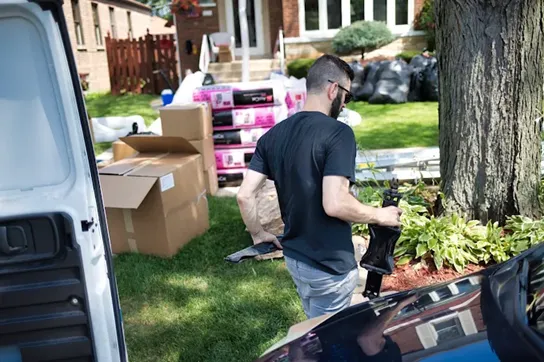
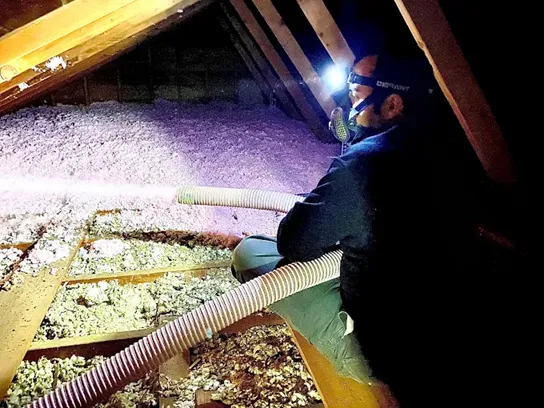
Insulate Better. Live Smarter. Save More.
Contact Us
Social

Quick Links
Services
Locations
