
Serving Downers Grove with Excellence
Insulation That Stops the Drafts, Cuts the Bills, and Lasts for Years
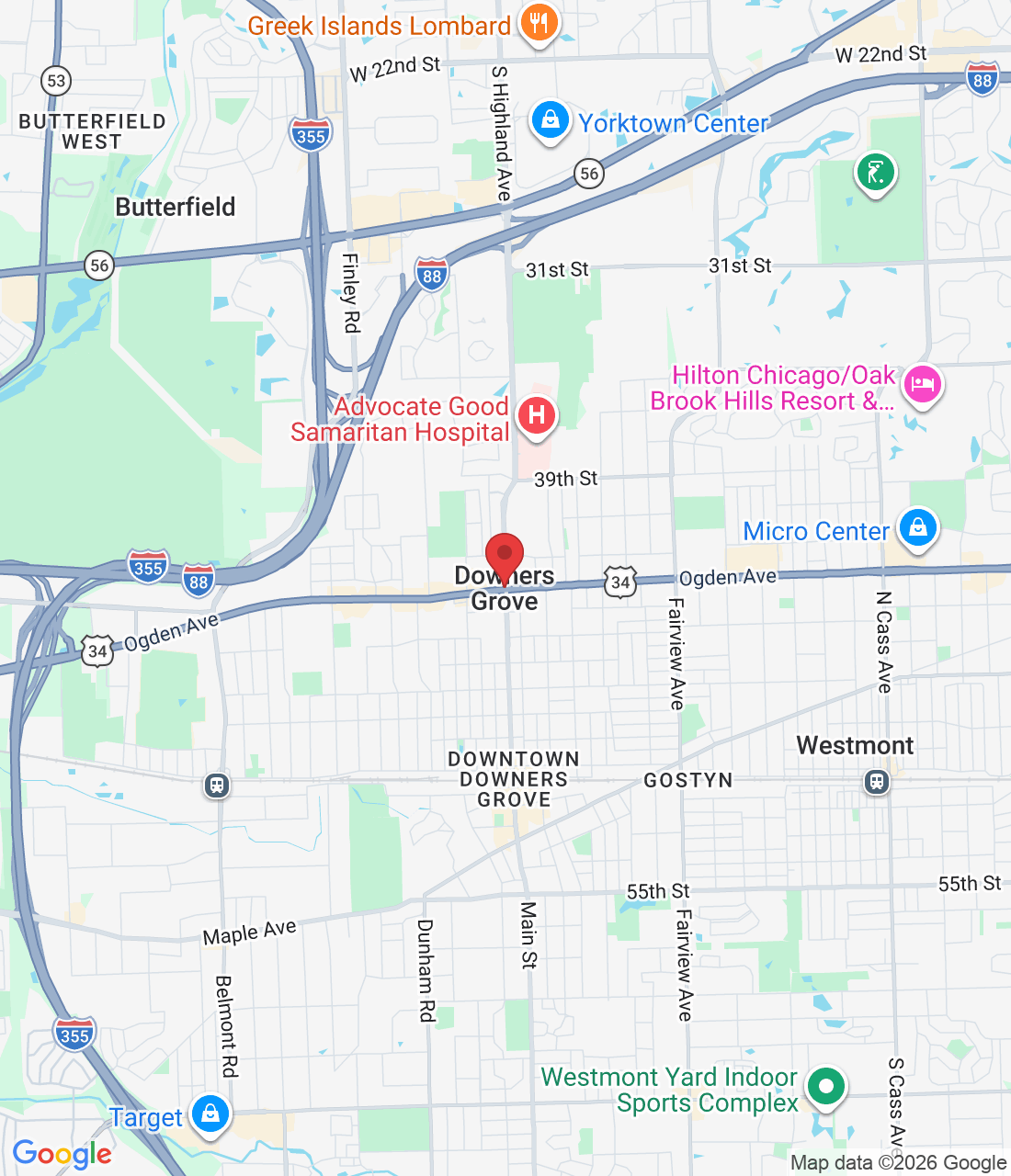
Serving Downers Grove with the precise, assessment-driven insulation work that homes in this community require to hold temperature, control moisture, and perform consistently through every Illinois winter and summer. Downers Grove is one of DuPage County's most established suburbs, with a housing stock that spans from late 19th-century homes near the historic downtown to mid-century construction throughout the neighborhoods and more recent development on the outer edges — each presenting a different set of insulation conditions and performance gaps that require a tailored approach rather than a standard solution. We assess every Downers Grove property individually before making any recommendation, covering the attic, walls, crawl space, basement, and ductwork so the scope of work is always driven by what the building actually needs. Downers Grove homeowners dealing with rooms that never warm up, floors that stay cold through winter, or energy bills that have been climbing without a clear explanation get a straight answer from us about what is causing the problem and what it will take to fix it. Every project here is handled by one crew with no subcontractors, one quality standard, and one point of accountability from the first site visit through the final walkthrough.
Why Choose Our Services in Downers Grove?
Familiarity with Downers Grove's diverse housing stock from historic homes to newer suburban construction
Attic, crawl space, wall, basement, and duct assessment completed in full before any scope is recommended
Spray foam, blown-in fiberglass and cellulose, rockwool batt, and moisture control for every application
Scope of work built around assessment findings — no padding, no work added without a clear reason
Every Downers Grove project handled by one crew from start to finish with no subcontractors involved
Insulation installed to the correct depth and coverage for Illinois R-value requirements — no shortcuts
Free estimates with a clear written breakdown of what will be done and why before any commitment
Our Services in Illinois
Insulation Services for Every Part of Your Home
Attic Insulation Installation
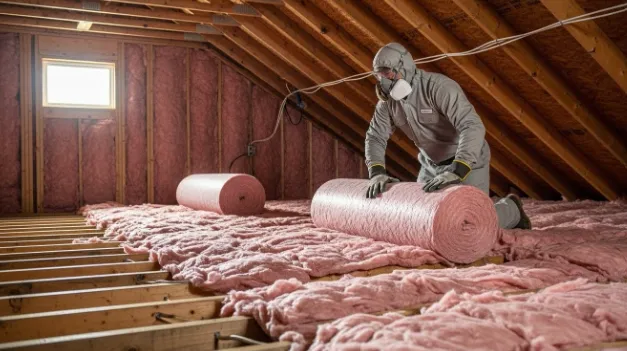
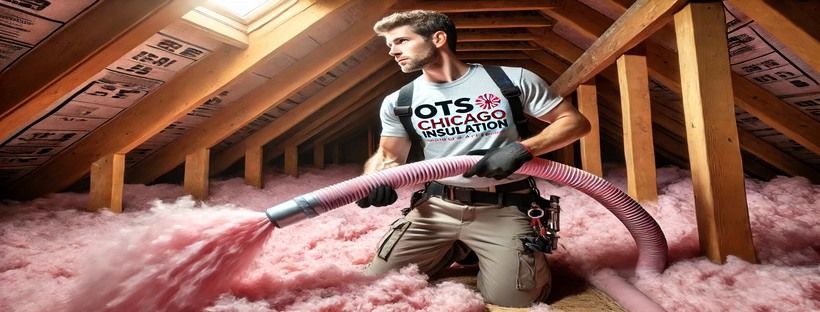
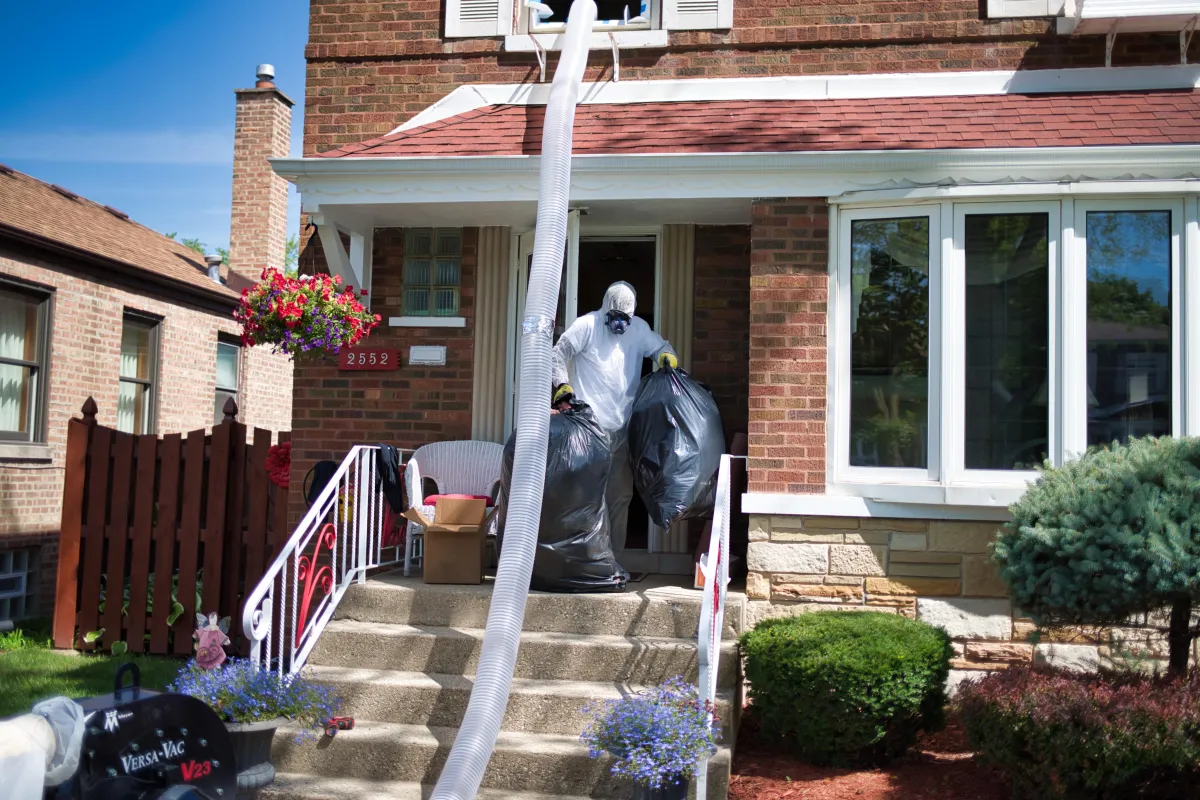
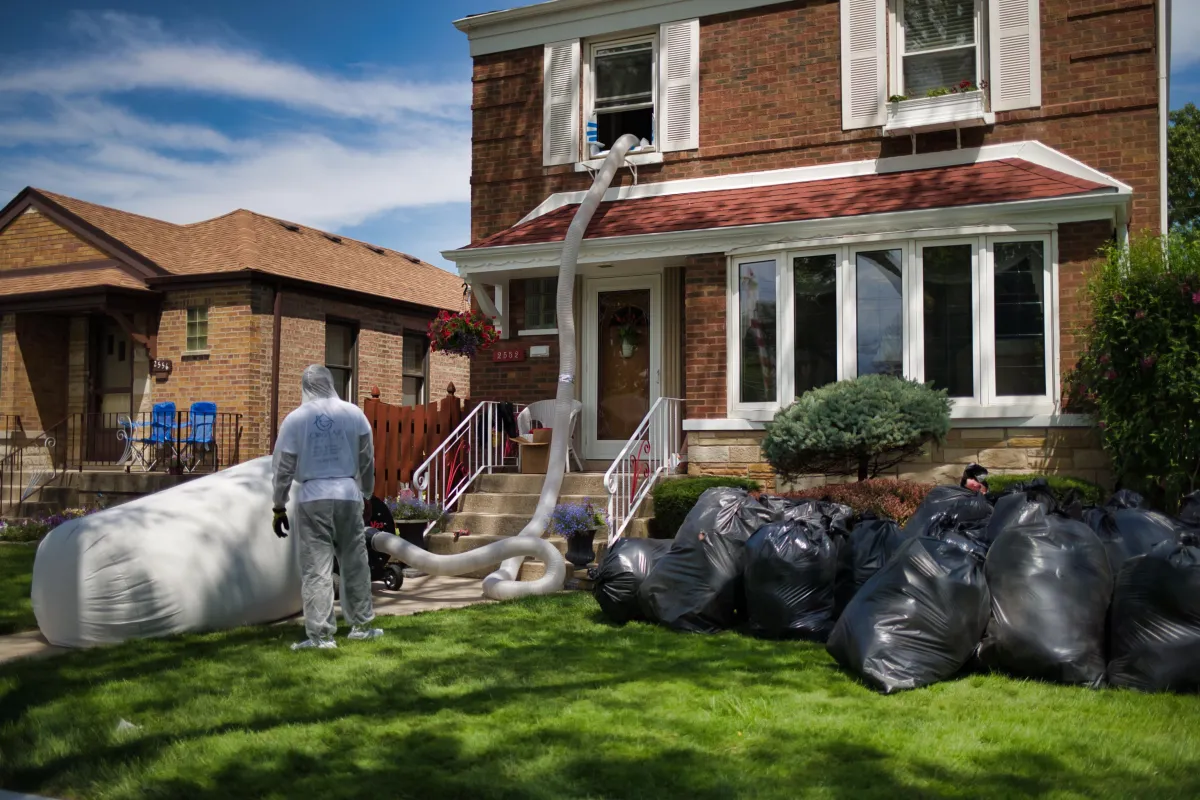
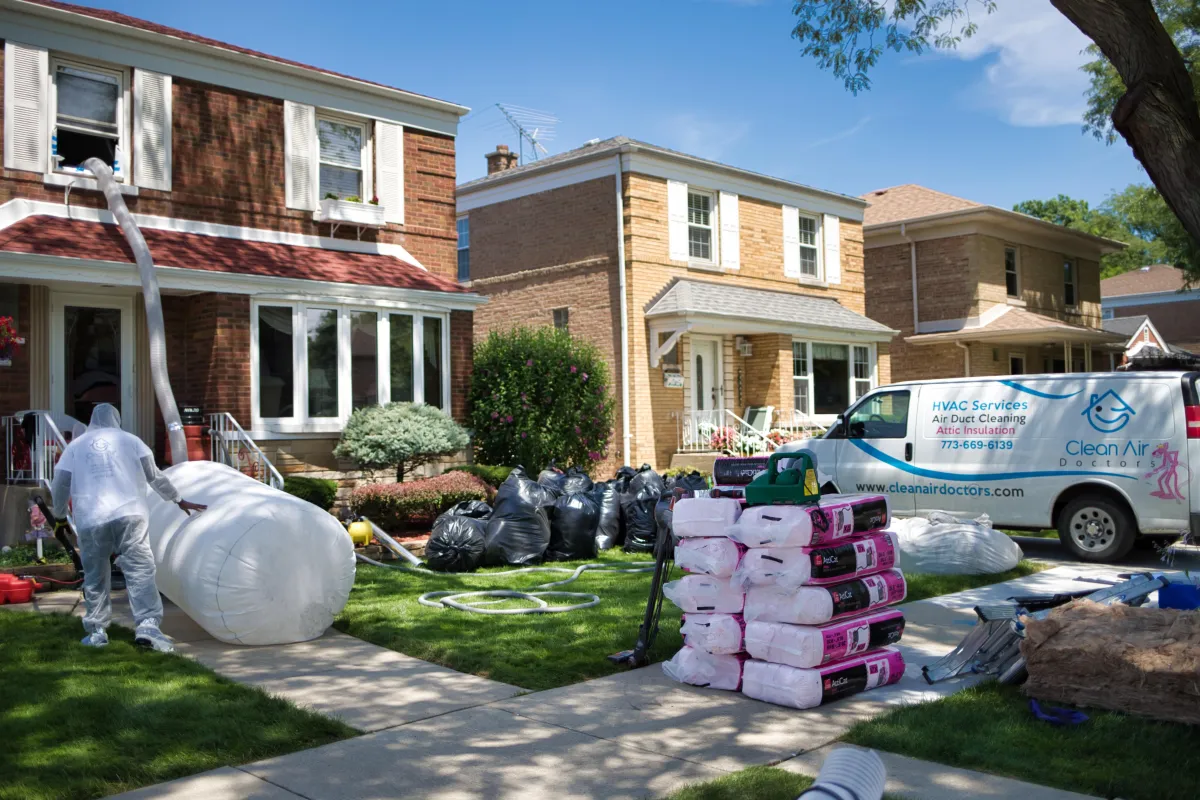
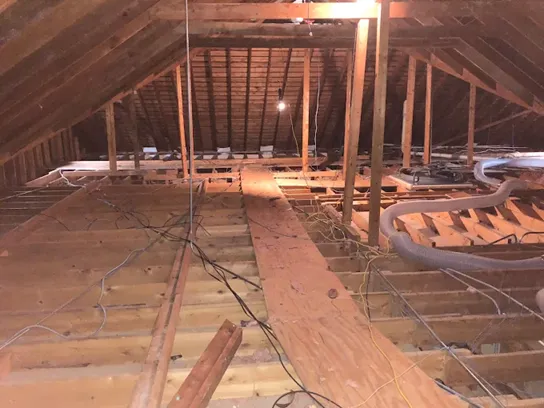
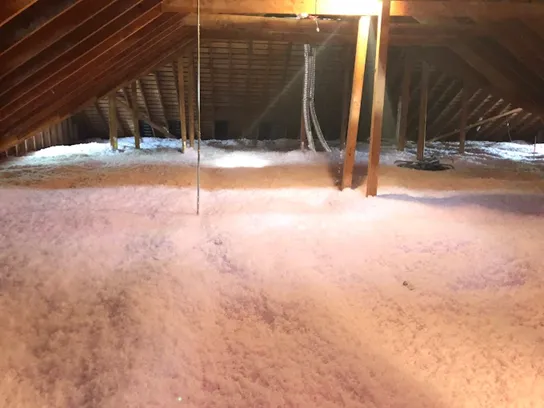
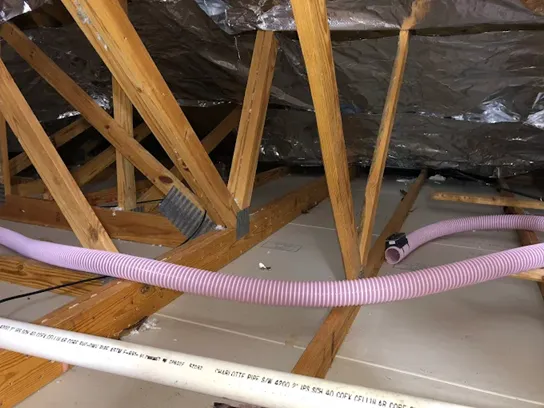
The attic is where most homes lose the most heat — and most homeowners do not realize it until they see their heating bill. We assess your current attic insulation, remove what is damaged or outdated, and install new material to the correct R-value for Illinois winters. The result is a home that stays warmer in winter, cooler in summer, and costs less to maintain year-round.
Crawl Space Insulation & Encapsulation
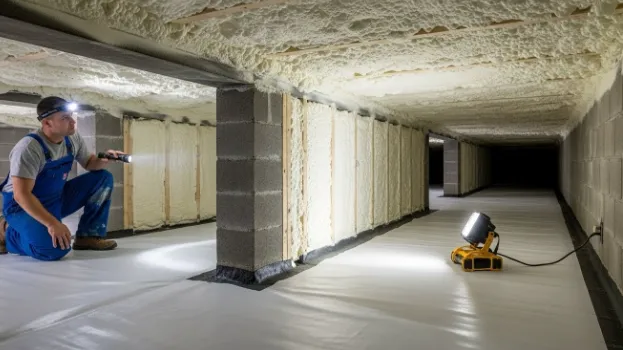
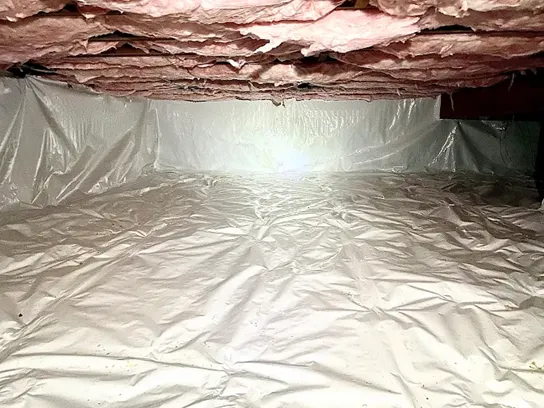
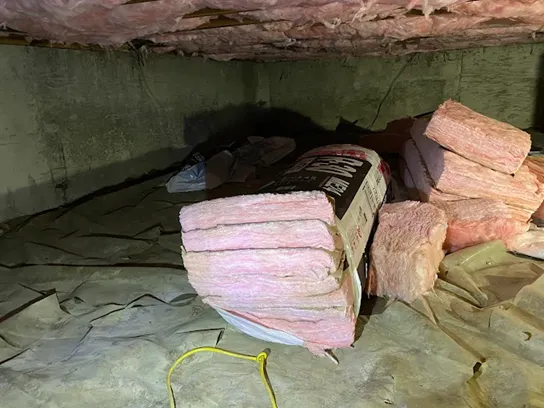
A cold, damp crawl space affects the entire home — from cold floors above to moisture problems that spread over time. We insulate the crawl space walls and floor, then seal the space completely to stop ground moisture from getting in. This protects your home's structure and improves air quality throughout the house. It is one of the most overlooked upgrades with one of the biggest impacts.
Spray Foam Insulation
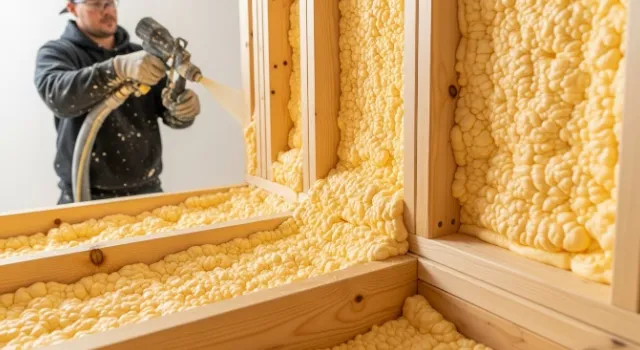
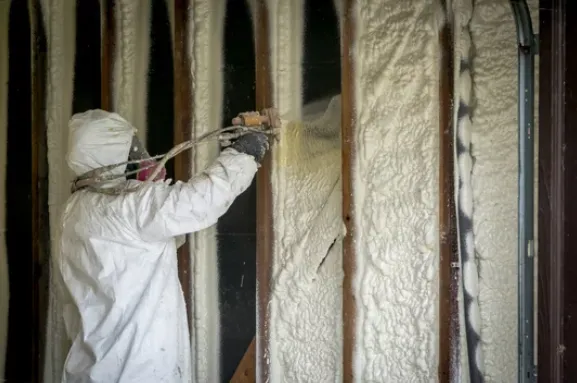
Spray foam does two things at once — it insulates and seals air leaks in a single application. We install both open cell and closed cell spray foam depending on the area and what the space requires. Closed cell is ideal for areas with moisture concerns like crawl spaces and exterior walls. Open cell works well for interior walls and attics where flexibility and sound absorption matter.
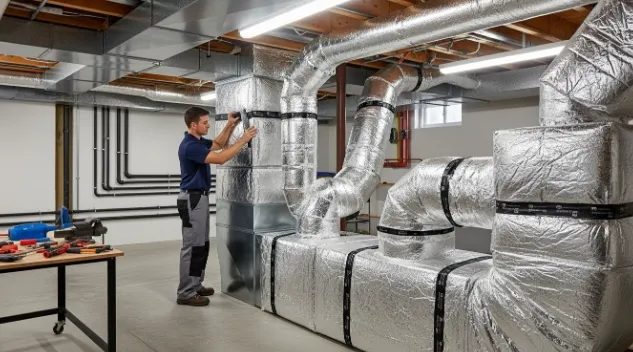
Air Duct Insulation
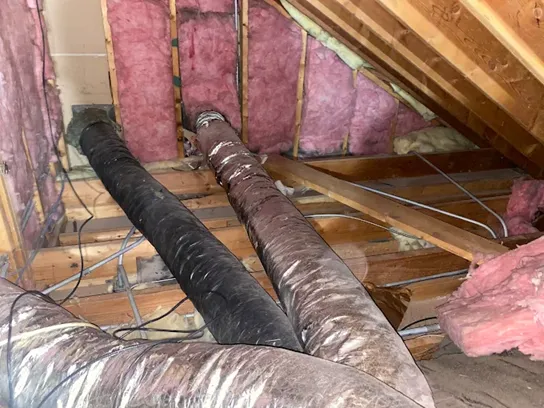
Uninsulated or poorly insulated air ducts lose a significant amount of conditioned air before it even reaches the rooms in your home. We insulate ductwork to keep the air at the right temperature as it travels through your system. This reduces strain on your HVAC unit and lowers your monthly energy costs. It is a straightforward service that makes a real difference in how efficiently your home runs.
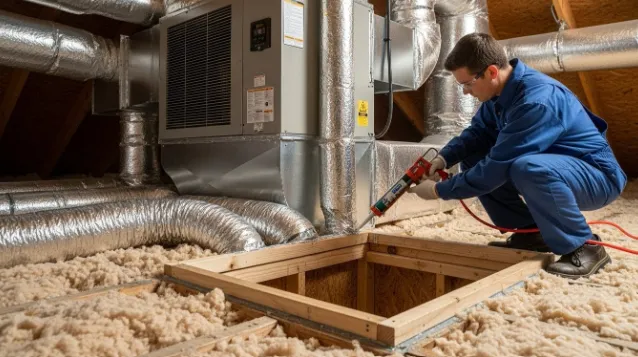
HVAC Optimization & Air Sealing
Even a well-insulated home can lose efficiency if air is escaping through gaps around windows, doors, electrical outlets, and penetrations in the building envelope. We locate and seal those leaks to work alongside your existing insulation and HVAC system. The result is a tighter home that holds temperature better and puts less demand on your heating and cooling equipment. Most homeowners notice the difference in comfort almost immediately.

Noise Reduction & Acoustic Control Solutions
Insulation is not only about temperature — the right materials make a significant difference in how much sound travels between rooms, floors, and from outside into your living space. We install dense insulation products specifically rated for acoustic performance in walls, ceilings, and floors. This is especially useful in multi-unit buildings, home offices, and bedrooms near busy streets. The result is a noticeably quieter, more comfortable home.
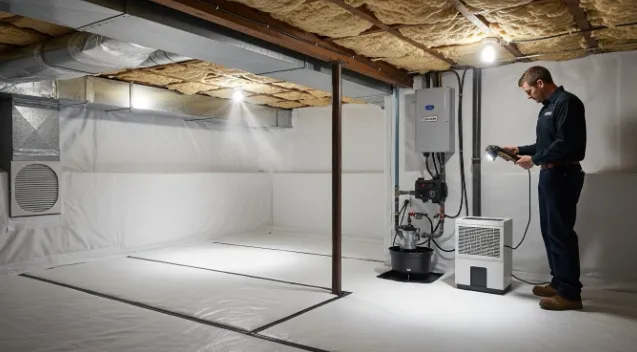
Moisture Control & Indoor Air Quality Solutions
Excess moisture inside a home leads to mold, structural damage, and air quality problems that affect your family's health over time. We identify where moisture is entering the building and address it through proper insulation, vapor barriers, and sealing. Controlling moisture at the source protects your home long-term and keeps the air inside cleaner. This service is especially important for older Chicago-area homes with crawl spaces and unfinished basements.

Energy Efficiency & Comfort Improvements
If your home has uneven temperatures, rooms that never seem to warm up, or energy bills that keep climbing, the insulation is usually the reason. We assess your home's thermal performance and identify exactly where energy is being lost. From there, we recommend and install targeted improvements that make a measurable difference. The goal is a home that stays comfortable without overworking your heating and cooling system.

Comprehensive Insulation Services
Some homes need more than one area addressed — and doing them together is always more effective than treating each one separately. We provide full-home insulation assessments covering the attic, walls, basement, crawl space, and ductwork. Once we know what the home needs, we build a plan that addresses everything in the right order. Residential and commercial properties across the Chicago area are both welcome.
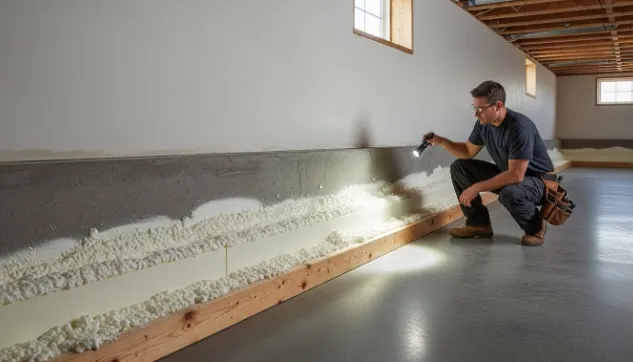
Basement & Rim Joist Insulation
The basement walls and rim joists — the area where the floor frame meets the foundation — are among the most common sources of cold air and energy loss in Chicago homes. We insulate both to stop cold air infiltration and reduce heat loss through the foundation. This keeps basement spaces warmer, reduces cold floors on the level above, and helps your entire heating system work more efficiently through the winter months.
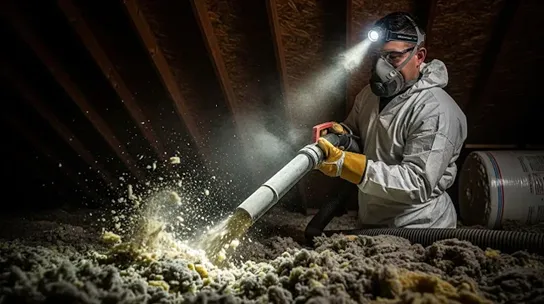
Blown-In Insulation (Fiberglass & Cellulose)
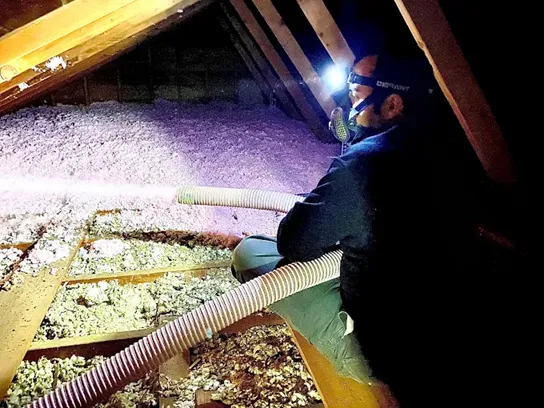
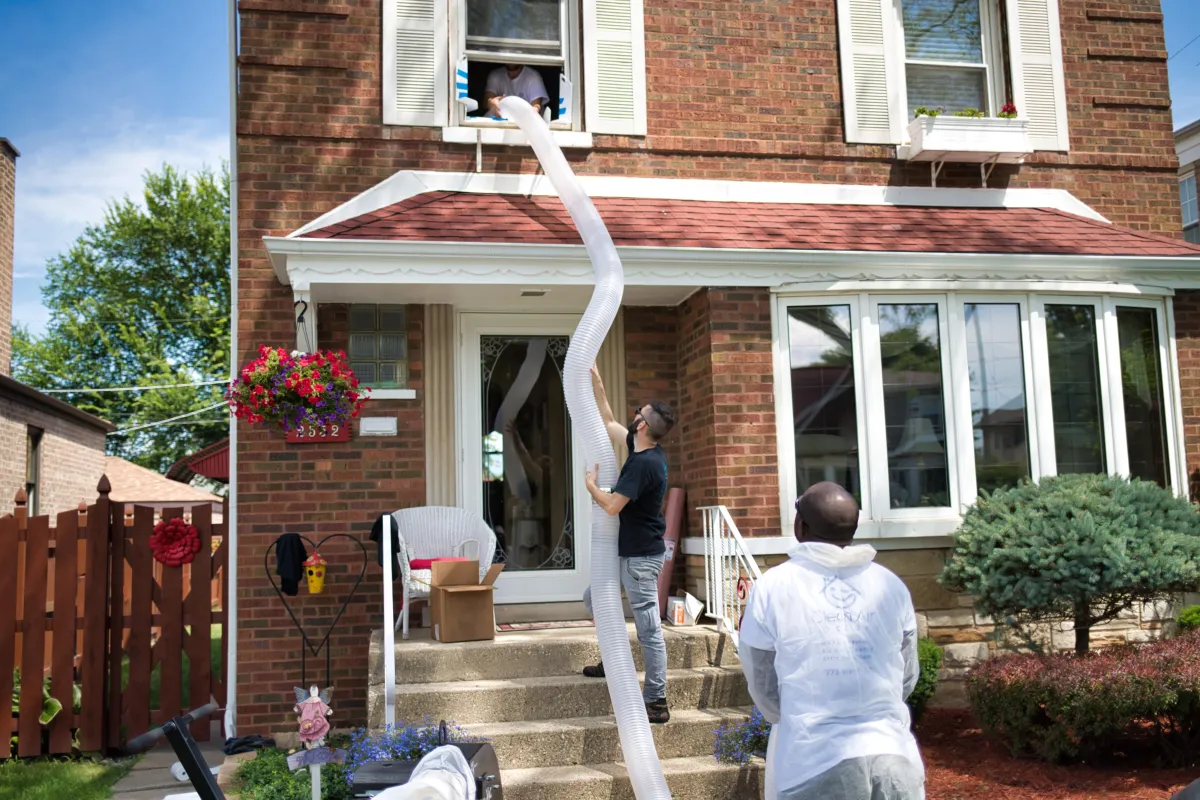
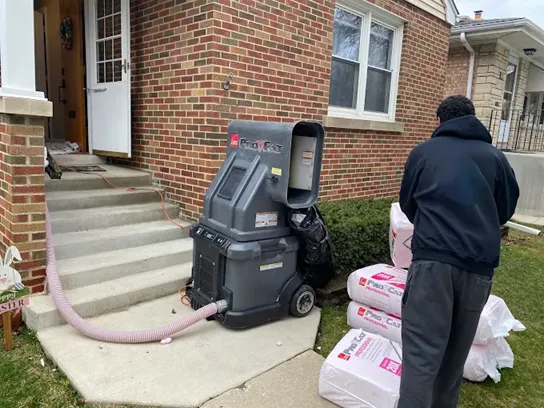
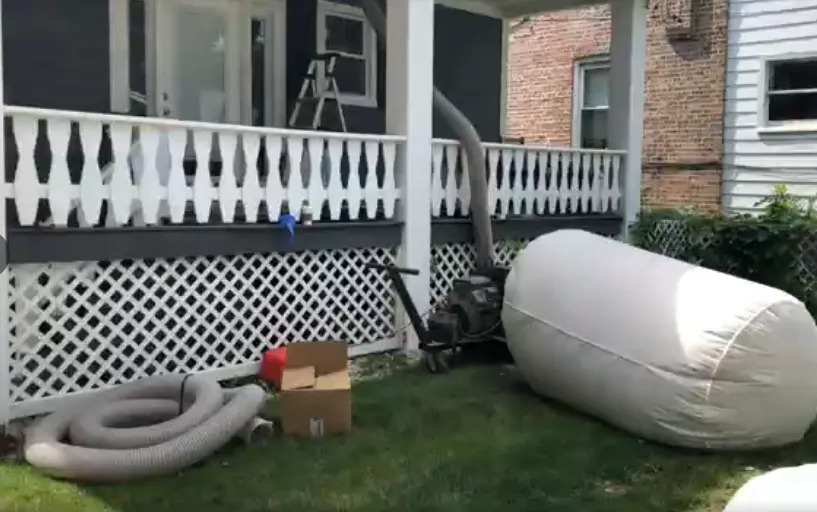
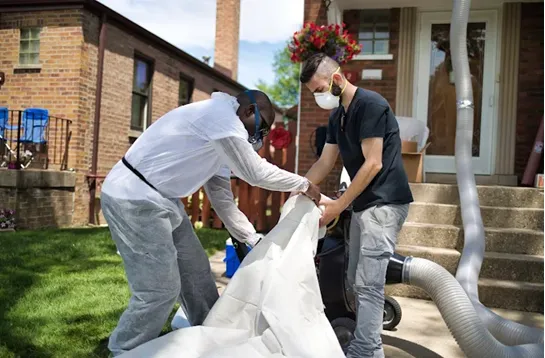
Blown-in insulation is one of the most effective ways to achieve even, consistent coverage across an attic or wall cavity. We work with both fiberglass and cellulose material depending on the area being insulated and the performance target. The blown-in method fills gaps and irregular spaces that batts or panels cannot reach effectively. It is a reliable, well-tested approach that works particularly well in older homes where coverage has deteriorated.
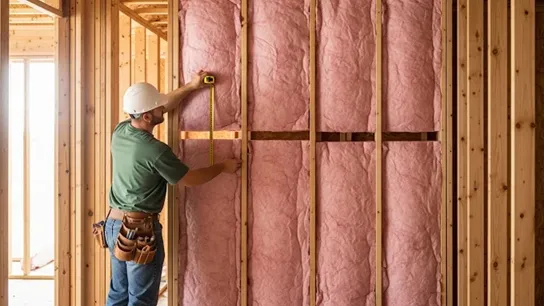
Wall Insulation (Drill & Fill, Netting & Filling)
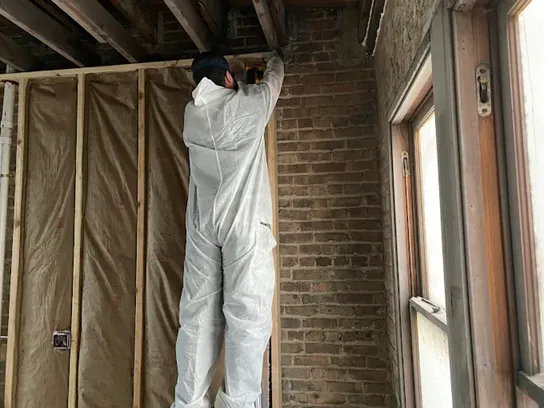
Many older homes in the Chicago area were built with little to no insulation inside the wall cavities. The drill and fill method lets us inject insulation directly into the wall without removing the drywall — small holes are made, filled, and patched cleanly afterward. The netting and filling method uses a mesh backing to hold the material in place within the cavity. Both approaches significantly improve thermal performance with minimal disruption to your home.
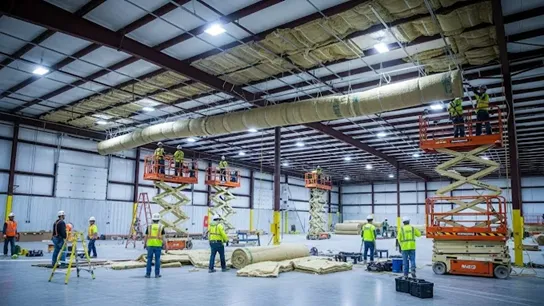
Flat Roof & Roofline Insulation
Flat roofs and low-slope rooflines present specific insulation challenges that standard attic methods do not address. We insulate flat roof assemblies to protect the structure, stabilize interior temperatures, and reduce the risk of moisture damage from the inside out. Roofline insulation along sloped ceilings and knee walls is handled with the same attention to detail. Both services extend the life of your roof while improving the overall energy performance of the building.
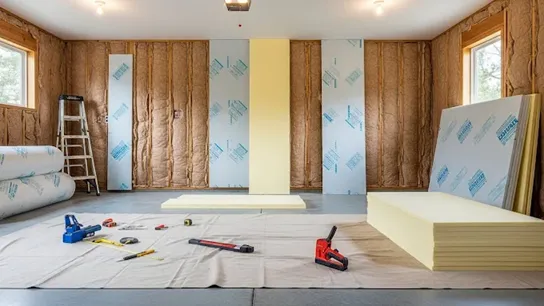
Drywall Repair & Installation
Insulation work sometimes requires access behind walls or ceilings — and when it does, the drywall needs to be repaired or replaced properly. We handle drywall repair and installation so you do not need to coordinate a separate contractor after the insulation is done. Repairs are finished to match the existing wall texture and leave a clean result. It is one less thing to manage and keeps the entire project moving under one team.
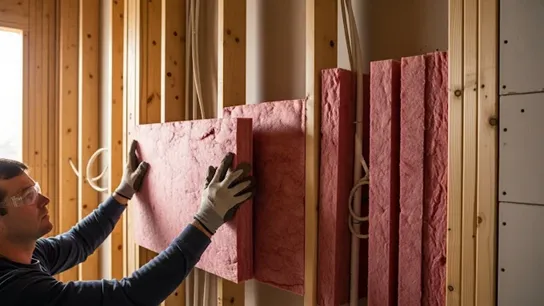
Batt Insulation (Fiberglass & Rockwool)
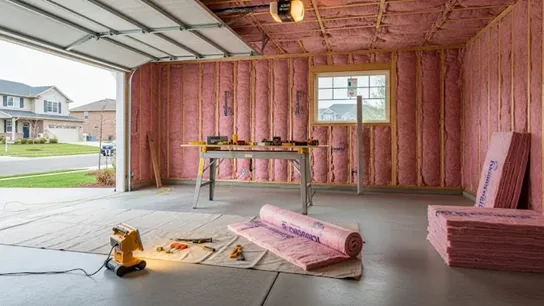
Batt insulation comes in pre-cut panels designed to fit between standard wall studs and floor joists, making it a practical choice for open-wall renovation projects and new construction. We install both fiberglass and rockwool batts depending on the thermal and acoustic requirements of the space. Rockwool in particular offers strong fire resistance and better sound absorption alongside its thermal performance. Installed correctly with full coverage and no gaps, batt insulation delivers consistent, long-lasting results.
DISCOVER WHAT OUR CUSTOMERS HAVE TO SAY ABOUT US
REVIEWS
Review us on Google
⭐⭐⭐⭐⭐
Insulate Better. Live Smarter. Save More.
Contact Us
Social

Quick Links
Services
Locations
