
Moisture Control & Indoor Air Quality Solutions
Moisture does not announce itself — it works quietly through walls, floors, and crawl spaces until the damage and the air quality problems are already well underway.
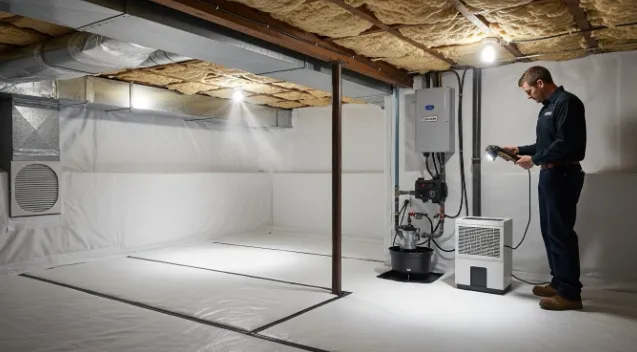
Chicago-area homes deal with moisture from two directions — cold, wet winters that drive moisture through the building envelope from outside, and warm, humid summers that push it up from the ground through crawl spaces and basement floors. Left unaddressed, that moisture finds its way into wall cavities, floor assemblies, and attic spaces where it creates the conditions for mold growth, wood rot, and persistent air quality problems that circulate through the home every time the HVAC system runs. Most homeowners do not connect the musty smell or the allergy symptoms to a moisture problem in a space they rarely access — but that is exactly where it starts.
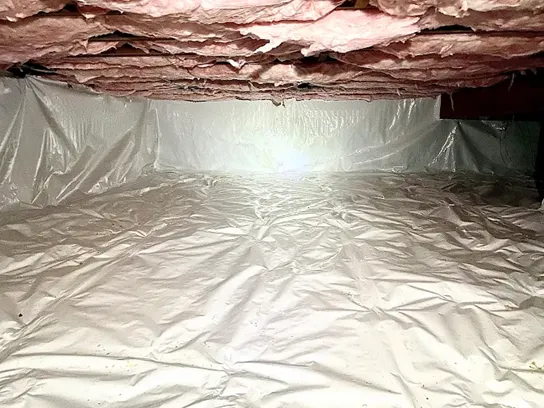
Addressing moisture correctly means identifying where it is entering the building and stopping it at the source rather than treating the symptoms. We assess crawl spaces, basements, walls, and attic spaces for signs of moisture intrusion and determine the right combination of insulation, vapor barriers, and sealing to control it. In crawl spaces, that typically means insulating the walls, installing a heavy-duty vapor barrier across the ground, and sealing all penetrations that allow humid outside air in. In basement and wall assemblies, it means selecting insulation materials that do not absorb moisture and trap it against structural components over time.
The impact of getting moisture control right extends beyond the insulation itself. When moisture is controlled at the source, the air moving through your home is cleaner, the structure beneath it lasts longer, and the insulation you have invested in performs the way it is supposed to rather than degrading from the inside out. Homeowners across Des Plaines, Naperville, Bolingbrook, and the wider Chicago metro who have had moisture issues addressed properly consistently report improvements in both comfort and air quality that are noticeable within weeks. Contact OTS Chicago Insulation for a free assessment and find out exactly where moisture is affecting your home.
What We Offer:
Moisture Assessment & Source Identification — Before recommending any materials or installation, we assess the home for moisture entry points — crawl spaces, basement walls, rim joists, wall cavities, and attic spaces. You get a clear picture of where moisture is coming from and what is needed to address it at the source.
Crawl Space Vapor Barrier Installation — A heavy-duty vapor barrier installed across the crawl space floor stops ground moisture from evaporating upward into the home. This is one of the most direct and effective steps for controlling humidity levels in the lower level and the living space above it.
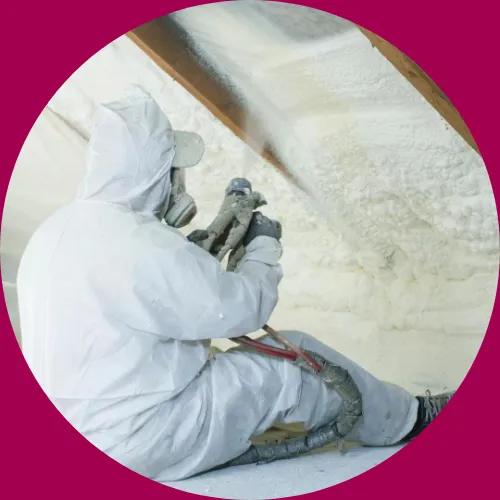
Crawl Space Wall Insulation for Moisture Control — Insulating crawl space walls with closed cell spray foam or rigid foam board creates a thermal and moisture barrier between the ground conditions outside and the conditioned space above. This prevents the temperature differentials that drive condensation and moisture accumulation inside the crawl space.
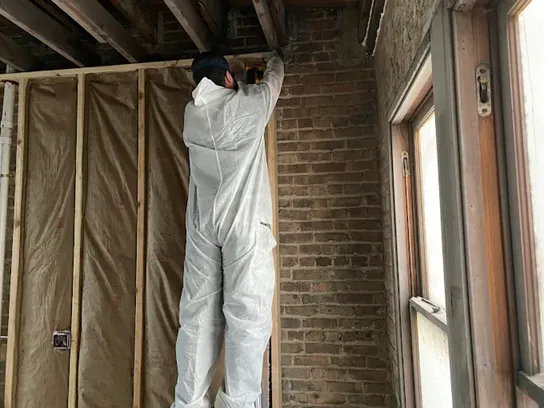
Basement Wall Moisture Insulation — Basement walls in contact with soil are a consistent source of moisture intrusion in Chicago-area homes. We install insulation materials appropriate for below-grade applications — materials that manage moisture rather than absorbing it and holding it against the wall structure.
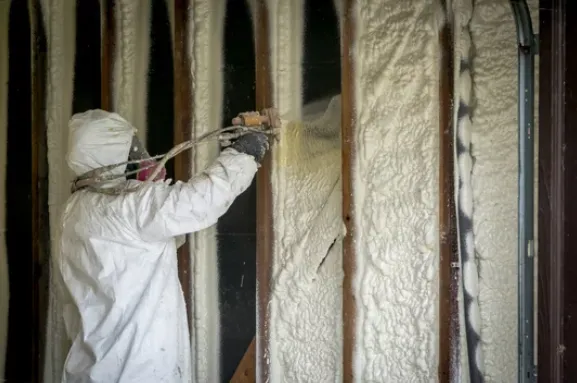
Closed Cell Spray Foam for Moisture-Prone Areas — Closed cell spray foam is the most effective insulation material for areas with moisture exposure. It does not absorb water, creates its own air and vapor barrier, and maintains its insulating value even in conditions where other materials would degrade. We apply it in crawl spaces, rim joists, and exterior walls where moisture control is the priority.
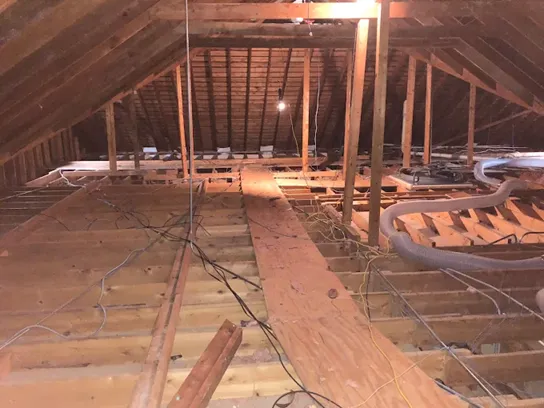
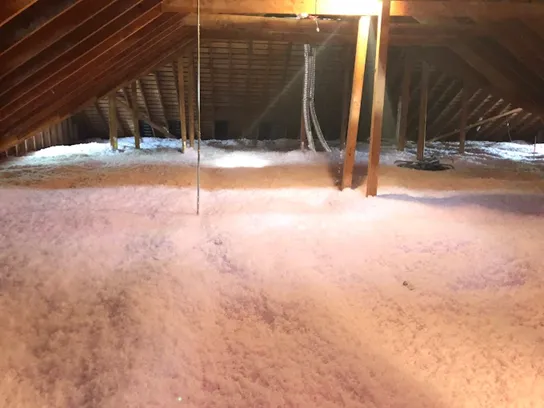
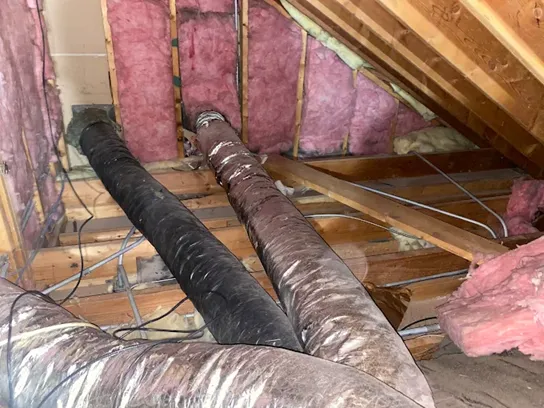
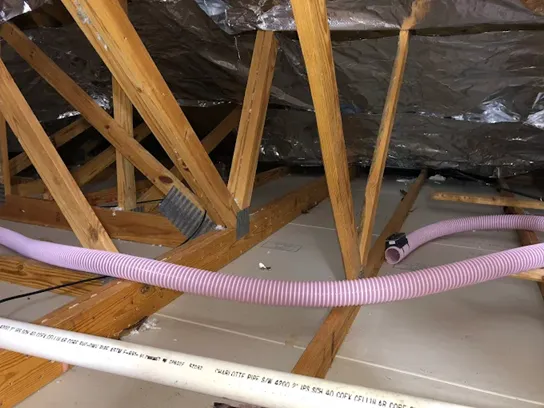
Attic Moisture & Ventilation Assessment — Attic moisture from inadequate ventilation or air leakage from the living space below leads to condensation on roof decking and insulation degradation over time. We assess attic moisture conditions and address the insulation and air sealing factors that contribute to it.
Indoor Air Quality Improvement Through Insulation — Controlling moisture at the source directly improves the quality of air circulating through the home. We address the insulation and sealing gaps that allow mold spores, humidity, and outdoor contaminants to enter the air supply and affect the indoor environment.
Why Choose OTS Chicago Insulation for Moisture Control & Indoor Air Quality Solutions
Source-First Approach — We find where moisture is entering before recommending any materials. Applying insulation over an unresolved moisture problem does not fix it — it covers it up until the damage reappears. Every recommendation we make is based on stopping moisture at its actual entry point.
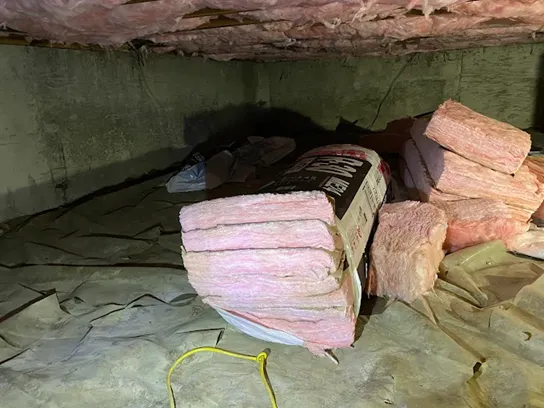
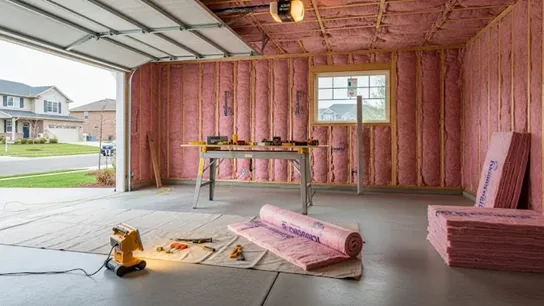
Right Materials for Moisture Environments — Not all insulation handles moisture the same way. Fiberglass batts in a wet crawl space absorb moisture, sag, and lose thermal value over time. We select materials — closed cell spray foam, rigid foam, and heavy-duty vapor barriers — that are appropriate for the moisture conditions in each specific area of the home.
Insulation and Moisture Control as One Project — Moisture control and insulation work together. Addressing one without the other produces incomplete results. We handle both in a single assessment and installation so the finished work holds up and performs correctly from the start.
Chicago Climate and Soil Conditions — Homes across Des Plaines, Naperville, Bolingbrook, and the Chicago metro sit on soil with specific drainage and moisture characteristics that affect crawl spaces and basements in predictable ways. We bring that local knowledge to every moisture assessment and installation we do in this region.
One Team, Accountable Throughout — The same crew that identifies the moisture issues in your home addresses them. There are no subcontractors and no gap between what was assessed and what gets installed. The job is not finished until every identified moisture entry point has been properly addressed.
DISCOVER WHAT OUR CUSTOMERS HAVE TO SAY ABOUT US
REVIEWS
Review us on Google
⭐⭐⭐⭐⭐
High energy bills? Drafty rooms? Cold floors that never warm up?
Get a Free Estimate and Find Out Exactly What Your Home Needs to Perform Better This Winter





Insulate Better. Live Smarter. Save More.
Contact Us
Social

Quick Links
Services
Locations
